



Would I Forgive My Husband If He Apologized?

Table of Content
Forgiveness. It’s a word that’s easy to say but hard to do. We hear it all the time — forgive and forget, let it go, time heals all wounds. But anyone who’s ever been hurt knows it’s not that simple. Especially when the person who hurt you is the one who promised to never do so in the first place: your husband.
So here I am, asking myself, Would I forgive my husband if he apologized? The question feels heavy. And honestly, I’m not sure of the answer. Forgiveness is a complex dance, and when love, trust, and betrayal are tangled up in it, it becomes even messier. It’s not just about the apology, is it? It’s about what comes after.
The Power of an Apology
Let’s start with the basics. Apologies are supposed to be powerful. They’re meant to be that magic moment when someone acknowledges their wrongdoing, offers a heartfelt “I’m sorry,” and we feel a sense of relief, maybe even redemption. But reality doesn’t always match the ideal.
When you’ve been hurt deeply, an apology can feel like a bandage on a bullet wound. Yes, it’s there, and it covers things up a little, but it doesn’t really fix the damage that’s been done. It doesn’t erase the nights you spent staring at the ceiling, wondering how you got here. It doesn’t undo the betrayal or restore the trust that was shattered in an instant.
That’s the thing about apologies. They’re necessary, but they’re not enough on their own. An apology is a first step, but it’s what happens after that truly determines whether forgiveness is possible.

What Does Forgiveness Really Mean?
Forgiving someone isn’t about pretending nothing happened. It’s not about erasing the past or pretending the pain didn’t exist. Forgiveness, to me, is about letting go of the grip that the hurt has on you. It’s about saying, “Yes, this happened, and yes, it hurt, but I’m choosing not to let it define me or my relationship.”
But the question I keep circling back to is this: Can you truly forgive someone if they don’t change? If they apologize, but continue to act in ways that hurt you, is forgiveness still on the table? Or is that just enabling bad behavior? Forgiveness can’t be a one-way street. It requires real effort on both sides.
So, if my husband apologized, would I forgive him? I suppose it depends on what that apology looks like. Is it genuine? Does it come with a promise to do better, and, more importantly, does he actually do better? Or is it just words meant to smooth things over without addressing the underlying issues?
Apology vs. Action
In the world of relationships, actions speak louder than words. We’ve all heard that phrase before, but it rings especially true when it comes to apologies. You can say you’re sorry a million times, but if your behavior doesn’t change, what does that apology really mean?
An apology is a starting point. It’s a sign that someone recognizes they’ve hurt you. But for forgiveness to happen, there needs to be follow-through. It’s not enough to simply acknowledge the pain — they need to actively work to ensure it doesn’t happen again.
So, would I forgive my husband if he apologized? Maybe. But I’d be watching closely. I’d be looking for the changes that show me he’s committed to healing the relationship, not just patching things up for now and moving on. I’d want to see effort, consistency, and a willingness to rebuild the trust that was broken.
Rebuilding Trust: A Two-Way Street
Trust is the foundation of any strong relationship. It’s what allows us to feel safe, to be vulnerable, to let our guard down with another person. When trust is broken, it’s like a crack in that foundation. And once it’s cracked, it takes time — sometimes a long time — to rebuild.
So, if my husband apologized, and if I decided to forgive him, the next step would be rebuilding that trust. This isn’t a process that happens overnight. It requires patience, understanding, and a commitment from both people involved.
It would mean having difficult conversations. It would mean being honest about my feelings, my fears, and my doubts. It would mean my husband putting in the work to show me that he’s worthy of that trust again. And it would mean me being open to the possibility of trusting him again, even when it feels scary or uncertain.
Because that’s the thing about forgiveness — it’s not just about the other person. It’s also about you. It’s about being willing to let go of the hurt and allowing yourself to move forward, even if that means risking getting hurt again.
The Role of DolphinRadar: An Unexpected Ally
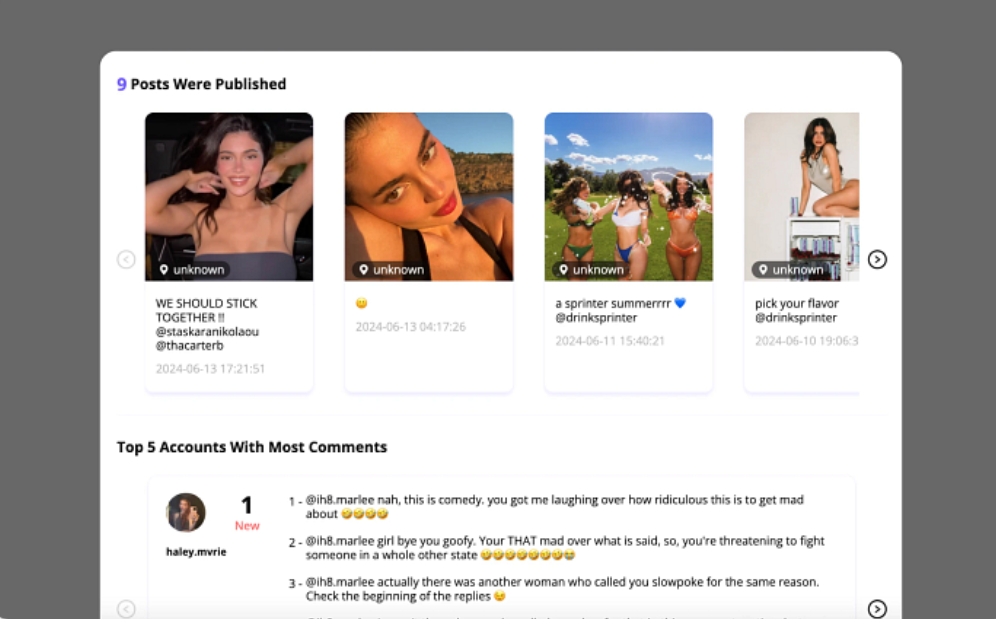
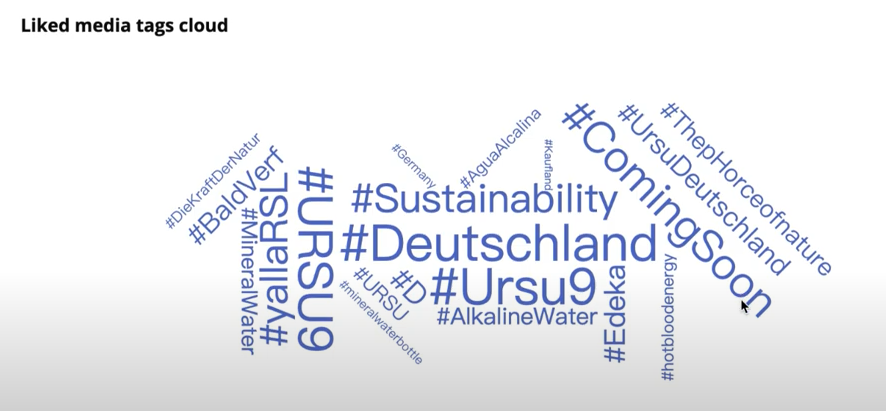
Now, in today’s world, trust and transparency have a whole new layer to them, thanks to social media. And I’ll be honest — sometimes, it’s not just about the apology or the words exchanged at home. Sometimes, it’s about the little actions that happen online. Who’s been following who, who’s liking what, who’s spending time in certain corners of Instagram.
This is where something like DolphinRadar comes in. Now, I’m not advocating for being the digital police in your marriage, but let’s be real — sometimes, a little extra insight can be helpful. DolphinRadar isn’t about spying or being sneaky; it’s about getting the clarity you need when trust has been broken. It’s a tool that helps you see patterns, understand behaviors, and figure out what’s really going on behind the scenes.
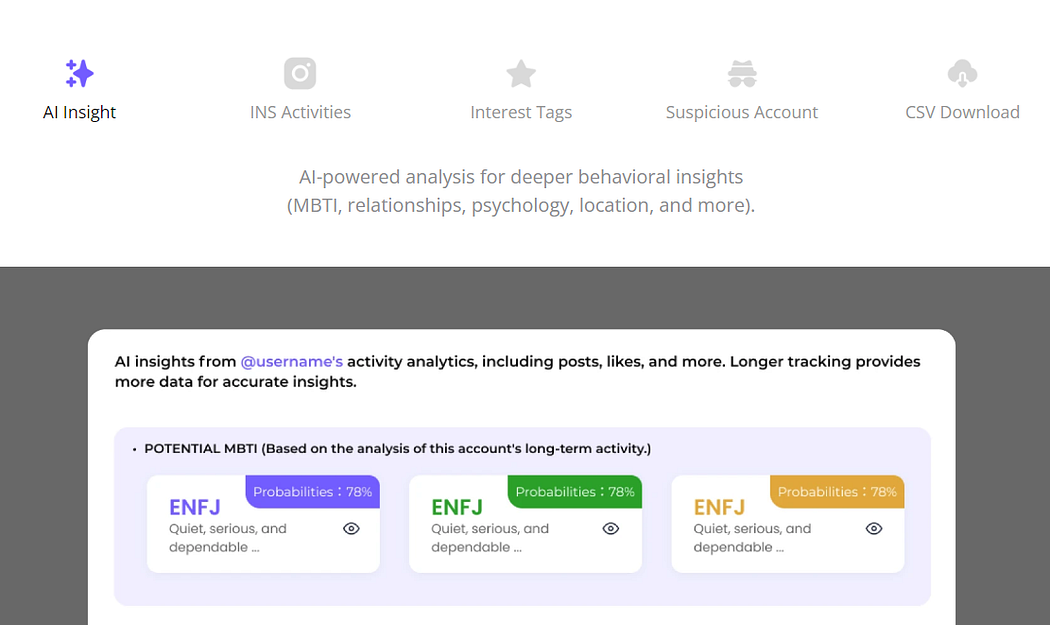
DolphinRadar lets you input an Instagram handle and get detailed reports on recent activity — who they’ve followed, who’s been following them, what they’ve liked. It’s like having a little window into the world of social media that helps you see things you might otherwise miss. And with AI insights, it doesn’t just give you raw data; it helps you make sense of it, so you’re not left wondering if that random follow means something or not.
If I were to forgive my husband after an apology, DolphinRadar could be an unexpected ally. It wouldn’t be about catching him in a lie; it would be about making sure we’re both on the same page as we work to rebuild trust. Sometimes, knowing the truth — no matter how small or big — can help ease the doubts and allow you to truly let go of the hurt.
So, Would I Forgive Him?
At the end of the day, forgiveness is a deeply personal decision. There’s no right or wrong answer. It depends on the situation, the people involved, and the steps taken after the apology. For me, forgiveness would require more than just words — it would require action, consistency, and a willingness to work on the relationship.
And maybe, with the help of tools like DolphinRadar, I could find the clarity I need to take that step toward forgiveness. Because in the end, forgiveness isn’t about forgetting what happened — it’s about choosing to move forward, together, with trust, honesty, and love.
Read More
