



Trump, McDonald’s, and the Politics of Fast Food
Table of Content
This stunt ties directly to Vice President Kamala Harris, who has often shared her own McDonald’s experience from her youth — a key element of her middle-class origin story. Trump, however, has taken to questioning the veracity of her claim, calling it a “totally phony story” during various campaign appearances.
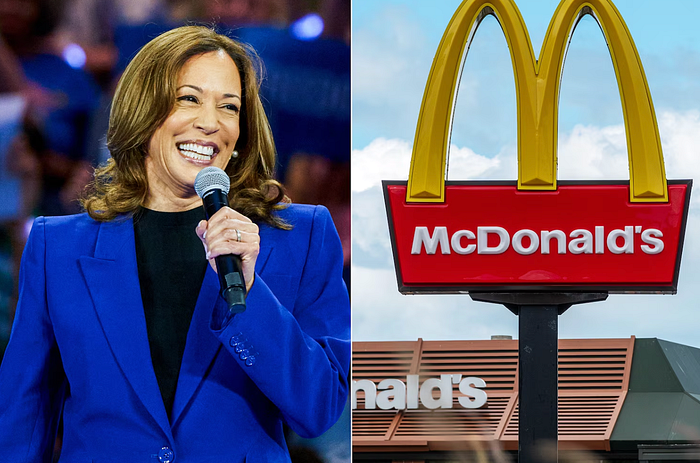
“I’m looking for a job,” Trump joked to the McDonald’s owner in Feasterville-Trevose. “I’ve always wanted to work at McDonald’s, but I never did. I’m running against somebody that said she did, but it turned out to be a totally phony story.”
Harris has largely ignored Trump’s accusations and calls from his supporters to provide proof of her employment at McDonald’s. According to campaign officials, she worked there during the summer of 1983 while studying at Howard University, operating the register and fry machine. Her time at McDonald’s has been highlighted in speeches and ads, reinforcing her narrative against Trump’s privileged background.Trump’s fixation on Harris’ past has been a consistent theme of his campaign, showcasing his deep-rooted affection for fast food — a fact well-documented throughout his political career. He has previously expressed his preference for McDonald’s due to its perceived quality control and even served fast food to championship sports teams at the White House.
As the election approaches, Trump’s antics at McDonald’s not only underscore the intersection of fast food and politics but also reflect his ongoing strategy of questioning his opponents’ credibility, even as he himself has faced scrutiny for exaggerations and fabrications throughout his career.
With Election Day looming, both Trump and Harris will undoubtedly continue to navigate the cultural symbolism of fast food as they seek to capture the hearts — and votes — of the American public.
Instagram Tracker Insights: Analyzing Trump’s Follower Growth
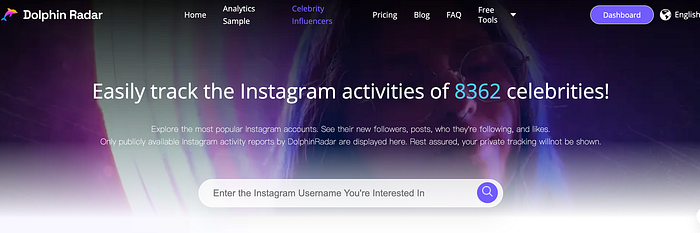
Using tools like Dolphin Radar to track Instagram activity provides valuable insights into the growth of followers and the impact of key events in a campaign, such as Donald Trump’s McDonald’s visit or media appearances.
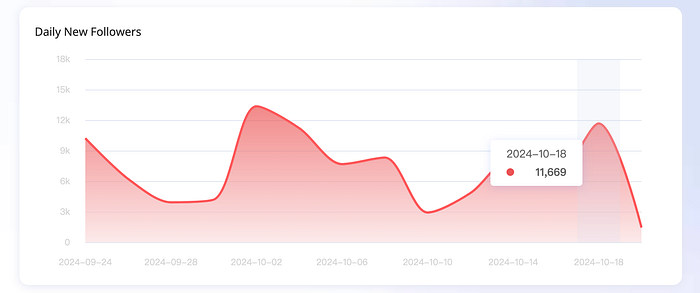
From the graph, we see notable spikes in follower growth around September 26 and subsequent peaks throughout early October. These surges can be attributed to high-profile media coverage, including Trump’s fast-food stunts at McDonald’s, where he engaged with customers and media, drawing attention to both his personality and political message.
Several factors may be contributing to the spikes in his follower count:
- High-Profile Campaign Stunts: Events like Trump’s visit to a McDonald’s, where he served food and poked fun at Kamala Harris, resonate with his base and garner significant media attention. The relatable, down-to-earth image he portrays through these stunts draws engagement, as it contrasts with his elite status and positions him as a “man of the people.”
- Social Media Strategy: Trump’s social media team actively uses Instagram to amplify these events. Short video clips, behind-the-scenes photos, and stories boost engagement, and followers tend to increase when content is posted right after these high-visibility events.
- Targeted Digital Campaigns: The campaign likely runs digital ads or sponsored content in coordination with these physical appearances. These ads target not just Trump’s base but undecided voters and those interested in political news, funneling them toward his Instagram page for more personal engagement.
- Instagram Trends and Public Debates: As public discourse around these events peaks, driven by news cycles or debate commentary, more people seek to follow Trump’s personal updates directly on Instagram. His follower spikes could also reflect the increased engagement from individuals looking to stay updated on his reactions or further comments.
- Presidential Marketing Influence: Social media presence plays an increasingly critical role in modern political campaigns. Engaging and relatable content like Trump’s McDonald’s visit appeals to younger voters and leverages the power of digital marketing. For Trump, showcasing a casual side or drawing sharp contrasts with his rivals (as with his critique of Harris) might have helped capture more followers, converting them into potential voters.
Conclusion
The combination of Trump’s unconventional campaign stunts, amplified through Instagram, and targeted marketing campaigns appear to be driving follower growth. Each high-engagement event, such as the McDonald’s appearance, is strategically designed not just to create headlines but to extend its reach through social media platforms, drawing more potential voters and strengthening his online presence in the final days of his campaign.
Read More
