



Top Instagram Strategies for Brands to Leverage Influencer Marketing in 2024

Table of Content
Influencer marketing has become one of the most effective ways for brands to enhance visibility and engagement, especially on Instagram, where visuals and personal connection reign supreme. In 2024, leveraging influencers on Instagram is expected to play an even larger role in how brands can expand their reach and connect with audiences. This article explores the key strategies to maximize influencer collaborations on Instagram, including ways to optimize partnerships, supported by real-life examples and practical tools.
The Core Value of Influencer Marketing
Influencer marketing allows brands to access new audiences, build trust, and establish a more authentic brand image. Rather than traditional advertising, influencers offer a bridge to a brand’s target market, enhancing credibility and reach by engaging audiences through personal connections.
One theory that sheds light on the value of influencer marketing is Social Identity Theory. Consumers often connect with specific social groups to reinforce their sense of identity, and influencer partnerships help brands tap into these connections. When a fitness influencer promotes an athletic brand, for example, their followers — who see themselves as fitness enthusiasts — feel a sense of belonging. This sense of group identity can create loyalty and deepen engagement with the brand.
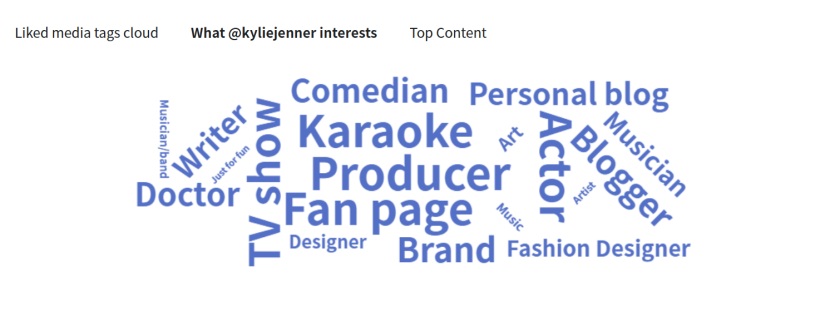
To further enhance the value of influencer marketing, brands can analyze potential influencer partners using tools such as Instagram Followers Tracker and IG Follower Tracker. These tools allow brands to examine follower interests, engagement trends, and demographic details, providing data that helps assess an influencer’s alignment with the brand’s target audience.
Choosing the Right Influencers
The success of an influencer partnership heavily depends on selecting the right influencers to represent the brand. It’s not just about finding someone with a large following — it’s about ensuring the influencer’s audience closely matches the brand’s target demographic. A high follower count doesn’t always equate to strong influence; instead, what matters most is the quality of engagement, follower demographics, and shared interests.
In communication theory, the Two-Step Flow of Communication explains how information reaches audiences through opinion leaders (like influencers) who endorse the brand, spreading awareness and shaping consumer attitudes. When brands choose influencers that are seen as leaders within a certain community, the brand gains access to a highly receptive audience. For instance, beauty brands often collaborate with influencers known for skincare tutorials, as their followers are more likely to trust and follow their product recommendations.
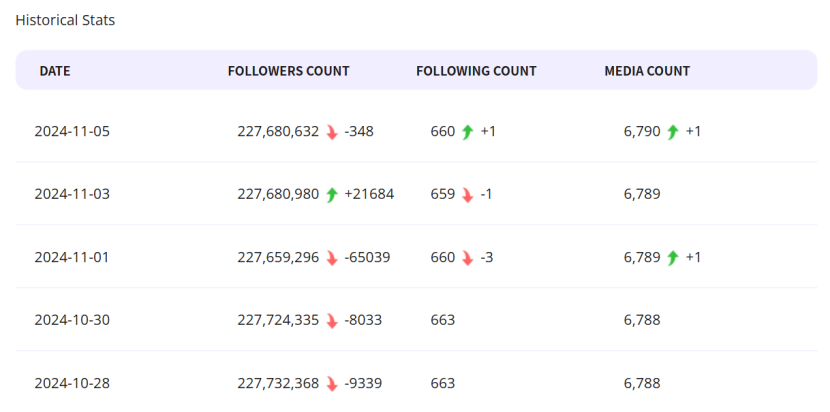
Tools like celebrity tracker are useful here, allowing brands to evaluate a potential influencer’s reach and historical performance on Instagram. By examining engagement trends and follower data with these tools, brands can more effectively select influencers who have a genuine influence over their followers, maximizing the potential for a successful partnership. Additionally, pairing engagement data with content style evaluations helps identify influencers whose image aligns with the brand’s desired message and values.
Crafting a Strategic Collaboration Plan
Creating a detailed, clear collaboration plan is essential to a successful partnership. Defining specific goals for the collaboration, such as increasing brand awareness, growing follower numbers, or driving sales, helps shape both the content and format of the campaign. These objectives also provide a basis for evaluating the success of the collaboration.
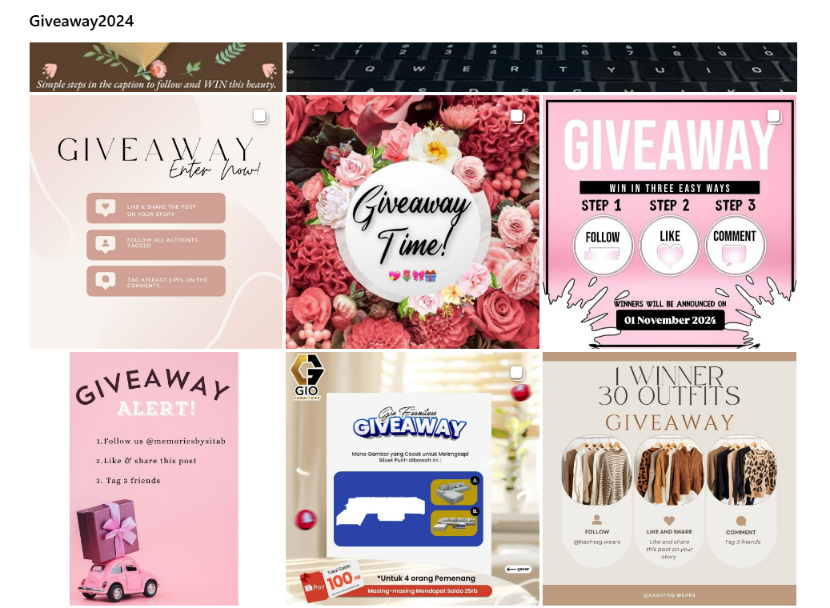
In designing the content itself, it’s important for brands to strike a balance between authenticity and promotional messaging. A campaign can take various forms, such as product reviews, giveaways, co-branded content, or even an Instagram Live session where the influencer engages directly with the audience. Each format offers unique opportunities to capture audience attention and fulfill campaign goals. For instance, co-branded content or exclusive product launches tend to generate excitement and immediate engagement, which can be especially valuable in achieving short-term marketing objectives.
According to Dual Process Theory, which originates from Communication and Persuasion by Petty, R. E., & Cacioppo, J. T. (1986), audiences process information either through a central route (deeply evaluating the message) or a peripheral route (relying on surface cues). On Instagram, influencer content often engages audiences through the peripheral route, where eye-catching visuals, captivating captions, and quick, easily digestible posts can effectively draw in users. For example, a skincare brand might use the #GlowUp hashtag, accompanied by engaging images or videos that showcase the product’s benefits, which quickly catches followers’ attention and drives engagement.
Brands can use IG Follower Tracker to measure which types of content resonate most with followers, such as the best-performing times for posting or which product formats generate the most interest. Through these insights, brands can choose the optimal content format and posting schedule, ensuring the collaboration’s success.
Monitoring and Evaluating Campaign Effectiveness
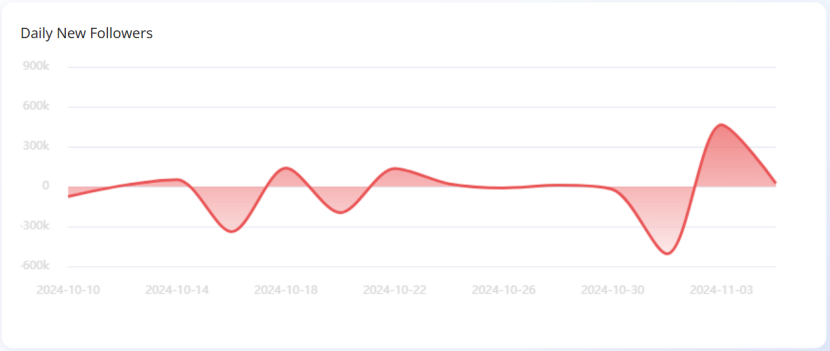
Once a campaign is underway, monitoring its performance is crucial for understanding how well it has met the brand’s objectives. Tracking metrics like follower growth, engagement rates, and user feedback allows brands to assess what aspects of the campaign worked and where adjustments might be necessary. Tools like Dolphin Radar can help brands monitor fluctuations in follower demographics and interests during and after a campaign, providing insight into the campaign’s impact.
To understand why these metrics matter, Social Comparison Theory explains how people evaluate themselves by comparing their experiences with others. In influencer marketing, consumers often compare their own experiences to those of the influencers they follow, making influencer recommendations a powerful driver of consumer decision-making. For example, a brand that promotes user-generated content through hashtags such as #MyOutfitInspo enables followers to share and showcase their own looks inspired by the influencer. This shared experience reinforces community connections and engagement within the brand’s following.
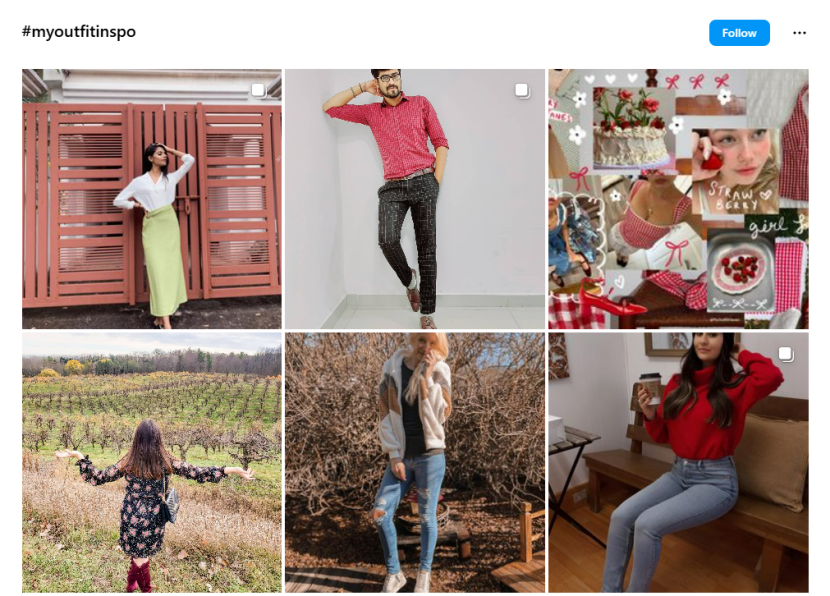
Brands can use IG Follower Tracker to determine which posts and hashtags inspired the highest levels of participation and conversation. Tracking these metrics also enables brands to analyze which influencer collaborations drive the most valuable interactions, helping them optimize future partnerships.
Case Studies of Successful Influencer Campaigns
Brand Example: Patagonia and #WornWear
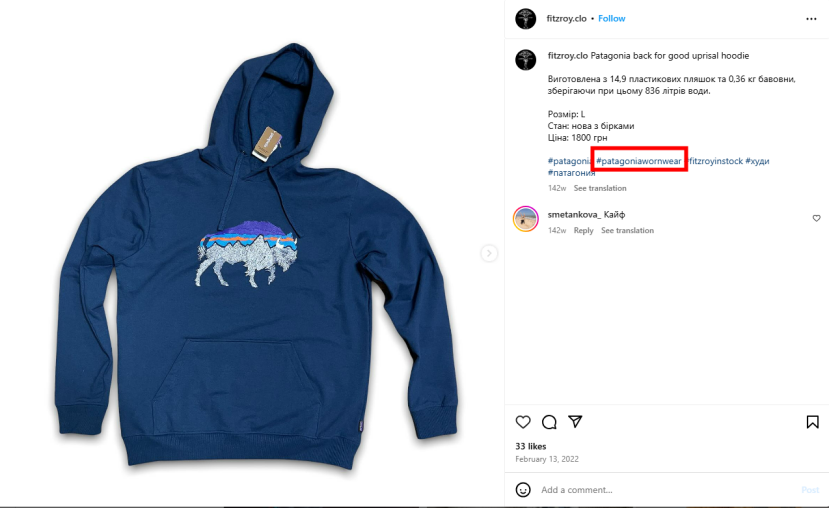
Outdoor brand Patagonia launched an innovative campaign with #WornWear, encouraging users to repair and reuse old gear to reduce waste. This campaign reflects Patagonia’s commitment to sustainability, attracting a highly eco-conscious audience and generating significant user-generated content (UGC). Through #WornWear, users shared stories and experiences of repairing their gear, creating a purpose-driven community. This approach significantly boosted brand loyalty, allowing Patagonia to deeply connect with the eco-conscious community while highlighting its dedication to sustainability. The #WornWear campaign garnered recognition in environmental circles and notably increased Patagonia’s engagement rates on social media.
Influencer Example: Liza Koshy and #CleanWithLiza
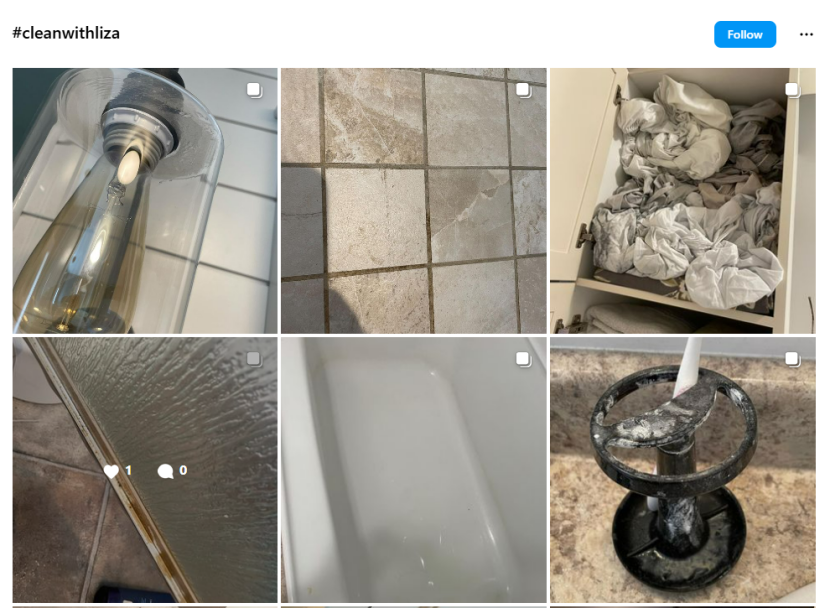
Social media personality Liza Koshy, known for her humorous style, launched the #CleanWithLiza campaign to promote eco-friendly cleaning products. In her videos, she shared her home cleaning routine and introduced sustainable cleaning products, encouraging viewers to adopt eco-friendly habits. This campaign attracted a large young audience who not only watched her videos but also shared their own eco-cleaning practices in the comments and even posted their own #CleanWithLiza content, showcasing how they implement sustainable cleaning in daily life. Through this campaign, the brand quickly established a positive image among young consumers, breaking the stereotype that eco-friendly products are dull and successfully increasing engagement and brand affinity.
Comparative Analysis: Fenty Beauty and #FentyFace
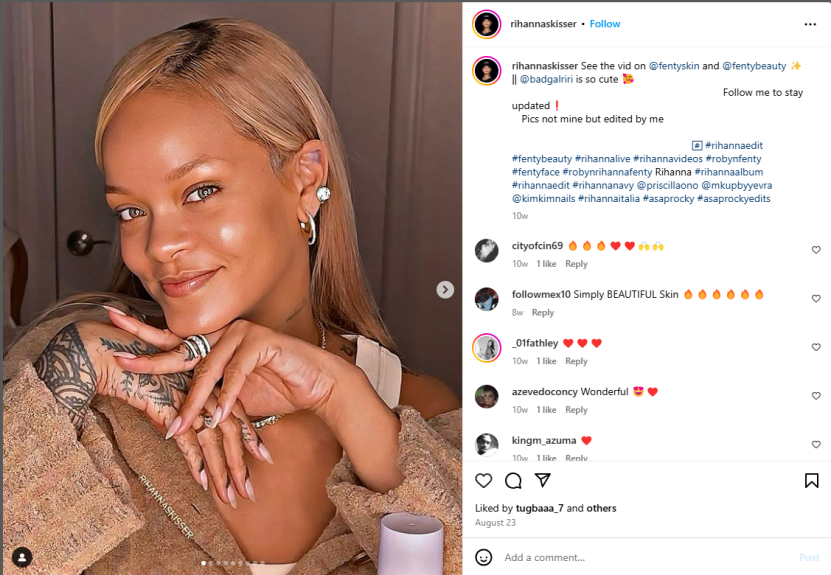
Fenty Beauty’s #FentyFace campaign aimed to promote its inclusive makeup line, encouraging users to showcase their unique makeup looks. This campaign helped shape an image of inclusivity and diversity, making users feel that the brand was both authentic and accepting. Users took to social media to display their “Fenty Face” looks, using the #FentyFace hashtag. This burst of user-generated content helped Fenty Beauty achieve a high level of brand recognition on social media. Additionally, the brand held virtual makeup tutorials and invited beauty influencers to share their “Fenty Face” styles, further increasing engagement and visibility on social platforms. Through the #FentyFace hashtag, Fenty Beauty established itself globally as a leader in diverse beauty, becoming a favorite among consumers looking for representation in the beauty industry.
Looking ahead, several trends are expected to shape influencer marketing in 2024. Micro-influencers, who often have a higher engagement rate within specific niches, are set to become even more valuable for brands looking to connect authentically with targeted communities. Additionally, the rising popularity of video content, especially on platforms like Instagram Reels, will influence how brands design future campaigns. As brands adapt to these shifts, incorporating data-driven insights will be essential in optimizing influencer partnerships.
In conclusion, influencer marketing remains a powerful strategy for brands aiming to increase their reach on Instagram. By selecting influencers strategically, crafting clear goals, and continuously monitoring results, brands can cultivate meaningful connections with their audience. With tools like Instagram Followers Tracker and IG Follower Tracker providing key insights, brands can make data-backed decisions that refine their influencer strategies and maximize their impact on Instagram.
Read More
