



The Power of Hashtags: Boosting Your Instagram Reach with Best Practices

Table of Content
Hashtags are no longer just symbols — they’ve become Instagram’s ultimate tool for reaching new audiences, driving engagement, and building brand awareness. The right hashtag choices can make your content more visible, encourage interaction, and even amplify your reach. In this article, we’ll explore how to strategically use popular hashtags on Instagram to maximize impact. By diving into their role and the best practices for their use, we’ll help you harness their full potential to grow both visibility and engagement.
From my insights, people today are always looking for ways to save time — even watching movies and shows at 2x speed. This demand for quick consumption has driven the rise of short-form content. Hashtags serve as the “essence” of content, allowing users to quickly identify relevant posts and topics. Acting as mini-attractors, they instantly capture attention and function as shortcuts to engagement.
Academic Support for Hashtags’ Impact
Hashtags on Instagram have become essential tools for capturing attention and driving engagement, and several psychological and communication theories can help explain why they are so effective. Here’s how some foundational theories support the strategic use of hashtags:
- Uses and Gratifications Theory:This theory posits that users actively seek content that meets specific needs, such as entertainment, information, or social connection. Hashtags play a critical role in fulfilling these needs by making content easily discoverable and enabling users to quickly find posts relevant to their interests. For example, a user interested in fitness may seek out the hashtag “#FitnessGoals” to find inspirational content, workout tips, or community discussions. Brands can strategically employ popular hashtags to make their content more appealing, reaching users actively seeking out that type of content. This alignment between hashtag use and user interests enhances satisfaction, reinforcing positive interactions with the brand or creator.
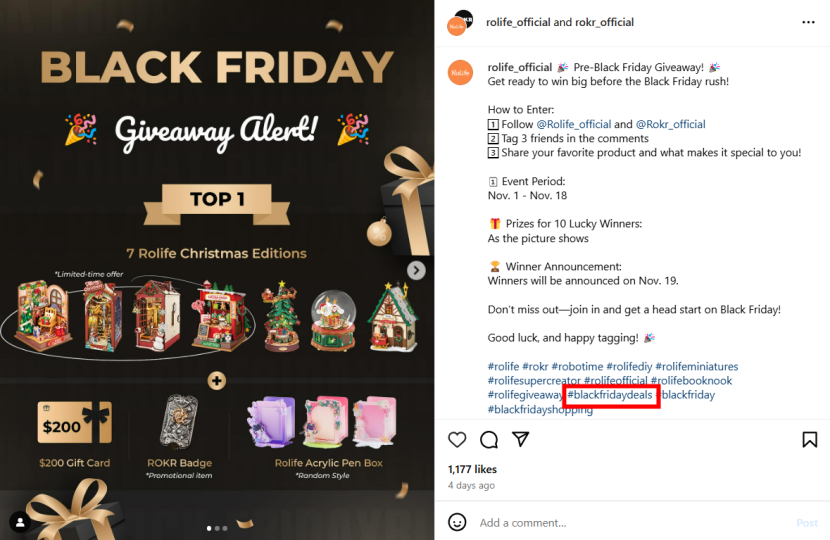
- Bandwagon Effect :The bandwagon effect describes the tendency for individuals to engage with or follow something because others are doing so, creating a kind of social validation loop. When a hashtag gains popularity, it signals to users that the topic or trend is widely accepted, sparking curiosity and encouraging them to join in. For instance, during the launch of a trending campaign such as “#BlackFridayDeals,” users are drawn to explore and engage with content under this tag, motivated by the sense that others are finding it valuable. Leveraging popular or trending hashtags creates an impression of widespread appeal, encouraging further engagement by tapping into this psychological need for social inclusion.
- Dual Process Theory (Central and Peripheral Routes of Persuasion): Dual process theory suggests that individuals process information either through a central route, involving deep, thoughtful evaluation, or a peripheral route, where they rely on surface cues to form quick judgments. Hashtags serve as these peripheral cues, quickly signaling content relevance without requiring users to evaluate each post in detail. In the fast-paced Instagram feed, a hashtag acts as a shortcut that tells users at a glance what the content is about. For instance, a post tagged with “#TravelTips” immediately signals travel-related advice, allowing users to assess its relevance in seconds. The use of well-chosen hashtags thus captures attention and encourages engagement among users who rely on these quick cues to filter content.
- Social Identity Theory: This theory explains that people categorize themselves and others based on social groups, such as fitness enthusiasts, environmental advocates, or fashion lovers. Hashtags serve as identifiers for these groups, making it easy for users to find like-minded communities and reinforce their social identity. When users search or follow hashtags like “#VeganLife” or “#MinimalistLifestyle,” they align themselves with these communities, reinforcing their identity. Brands targeting these communities can use relevant hashtags to strengthen their association with these identities, fostering loyalty and deeper engagement among users who feel the brand understands and shares their values.
- Social Comparison Theory: Social comparison theory suggests that people evaluate themselves by comparing with others. Hashtags play into this by grouping similar content, making it easy for users to assess trends, styles, or achievements in a certain area. For example, under a hashtag like “#TransformationTuesday,” users might compare fitness progress photos or lifestyle changes. This can motivate users to engage, participate, or feel connected with others who share similar journeys. Brands and influencers use these comparison-oriented tags to encourage user-generated content, further fueling engagement within that hashtag community.
These theories show that hashtags do more than just categorize content — they meet psychological needs for belonging, identity, comparison, and validation. This insight highlights why strategic hashtag use can greatly impact engagement and reach on Instagram, helping brands and creators connect more meaningfully with their audiences.
The Role of Hashtags on Instagram
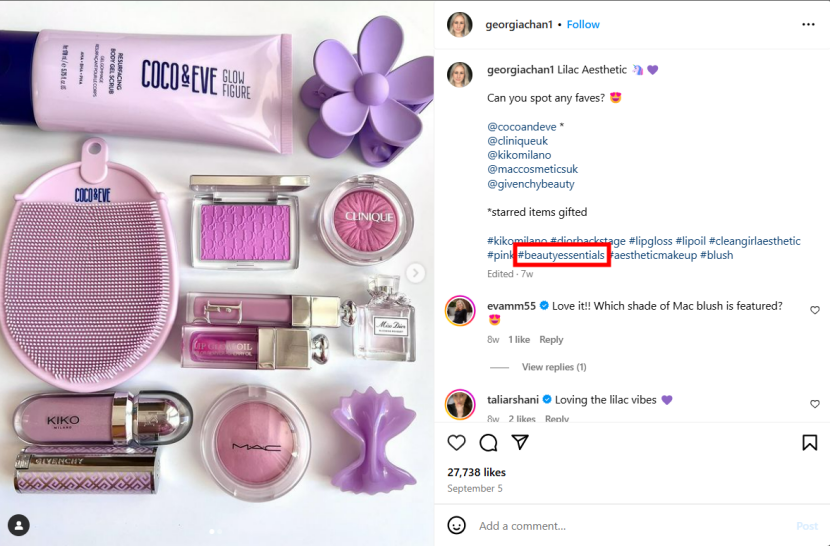
- Increasing Visibility: Hashtags make content searchable and categorize it under relevant topics. For example, adding “#BeautyEssentials” on a post featuring new beauty products can increase its visibility among beauty enthusiasts.
- Targeting and Audience Matching: By choosing specific hashtags, brands and creators can connect with their ideal audience. For instance, using tags like “#VeganEats” or “#EcoFriendlyLiving” attracts niche communities interested in those lifestyles.
- Driving Social Engagement: The bandwagon effect often kicks in with trending hashtags, encouraging users to engage with content others are already interacting with. For example, brands using seasonal tags like “#SummerVibes” or “#HolidayEssentials” can expect increased engagement during peak seasons.
Best Practices for Using Popular Hashtags
- Choose Relevant, High-Traffic Hashtags: It’s essential to pick hashtags that align with your content and target audience. For instance, beauty brand Glossier often uses tags like “#SkinFirst” or “#GlossierCommunity” to keep their content relevant to skincare enthusiasts.
- Limit the Number of Hashtags: Using too many hashtags can appear spammy and reduce the readability of your post. Studies show that using 5–7 carefully selected hashtags yields better engagement. Consider choosing a mix of popular and niche tags for balance.
- Monitor Hashtag Trends: Hashtags evolve, and monitoring trends helps keep your strategy fresh. Tools like Instagram Followers Tracker and IG Follower Tracker can track engagement rates on popular hashtags, enabling timely adjustments to your strategy.
- Combine Popular and Niche Hashtags for Precision Targeting: While popular hashtags expand reach, niche hashtags can connect you to specific communities. For instance, eco-friendly brands might use “#SustainableLiving” alongside “#EcoWarriors” to reach a dedicated, engaged audience.
Leveraging Dolphin Radar for Hashtag Inspiration and Trends

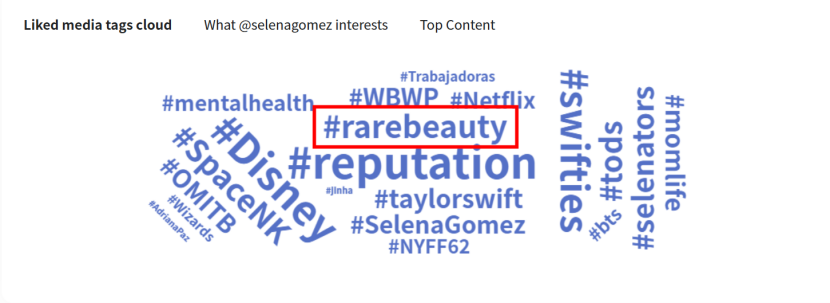
- Track Celebrity and Brand Trends for Hashtag Inspiration:Dolphin Radar’s celebrity tracker can follow Instagram dynamics for major figures like Selena Gomez, known for her beauty brand Rare Beauty. By observing her hashtag choices (like “#RareBeauty” and “#StayVulnerable”), brands can gather inspiration for their own posts.
- Gather Hashtag Ideas from Brand Trends:Dolphin Radar can monitor brand accounts like Nike and track engagement spikes tied to specific hashtags, helping users identify which tags are currently resonating with audiences.
- Analyzing Engagement Data:By using engagement tracking tools, users can observe which hashtag combinations deliver the most engagement and replicate these patterns to refine their own hashtag strategy.
Case Studies of Successful Hashtag Use
Brand Case Study: Gymshark’s Use of Niche and Community Hashtags
Gymshark has grown its brand by strategically using hashtags like “#Gymshark66” to encourage user-generated content. This campaign, centered around a fitness challenge, created a loyal community by encouraging followers to tag their fitness journey posts. By doing so, Gymshark achieved greater engagement and brand loyalty.

Influencer Case Study: Selena Gomez’s Strategy with Rare Beauty
Selena Gomez promotes her beauty brand, Rare Beauty, using hashtags like “#RareImpact” to focus on mental health. By incorporating purpose-driven tags, she attracted a supportive, engaged audience, elevating her brand’s visibility.

Before-and-After Comparison
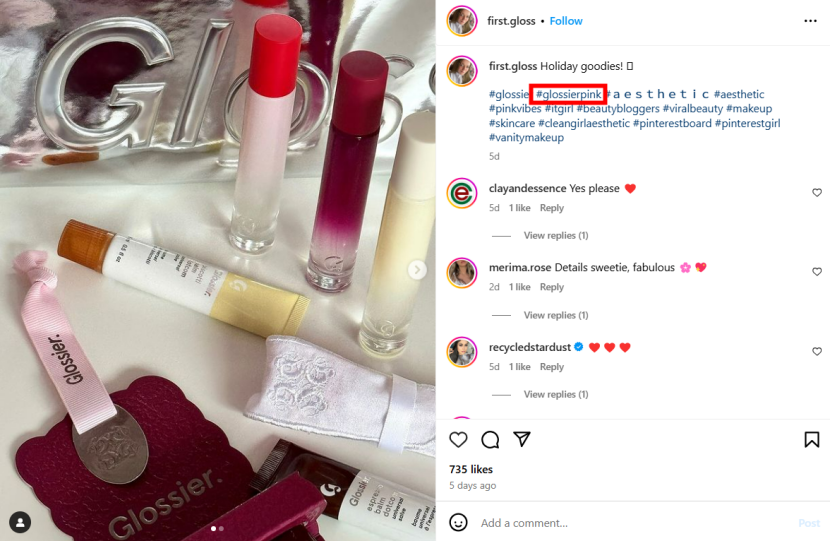
When Glossier started using “#GlossierPink” for its signature shade and product packaging, their engagement saw an uptick. Posts under this hashtag received 20% more likes compared to those without, showcasing the effectiveness of a well-chosen, branded hashtag.
In conclusion, hashtags are far more than simple symbols on Instagram; they are powerful tools that amplify visibility, enhance engagement, and foster community connections. By strategically selecting and managing hashtags, brands and creators can ensure that their content reaches its intended audience, resonates with community values, and encourages interaction. Leveraging tools like Instagram Followers Tracker and IG Follower Tracker also allows users to track hashtag effectiveness over time, ensuring they stay relevant as trends evolve. The future of hashtag use will likely adapt to changes in Instagram’s algorithms and user preferences, but the core strategy remains the same: select hashtags that align with content goals, attract the right audience, and capture the ever-decreasing attention spans of digital users. As social media continues to be a competitive space, the thoughtful use of hashtags will remain essential for those looking to make a lasting impact.
Read More
