



Maximizing Your Brand's Reach: Partnering with Instagram Influencers

Table of Content
Instagram has quickly become a global platform where brands can thrive, reaching a diverse audience through visual storytelling. With over a billion users, it’s a treasure trove of opportunities for companies looking to showcase their products in creative and engaging ways. Influencers, with their loyal followings and relatable content, have emerged as powerful partners for brands seeking to boost visibility. These influencers can introduce products to their audience in a manner that feels authentic, trustworthy, and personal.
But what exactly does influencer collaboration involve? It’s not just about getting a shout-out. Collaborating with an influencer means working with someone who can create genuine connections between your brand and their followers. These partnerships can range from sponsored posts to long-term brand ambassador deals, each designed to give your product exposure in a way that resonates with a specific audience. In today’s fast-paced digital world, influencer marketing has proven to be one of the most effective ways to increase brand reach and customer engagement.
Why Choose to Collaborate with Instagram Influencers?
Expand Brand Exposure
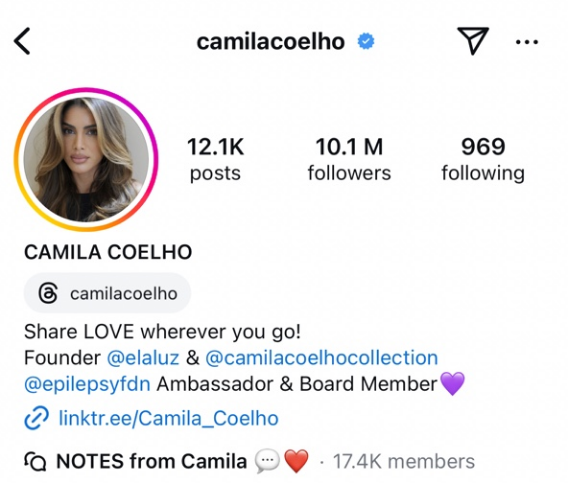
Influencers have dedicated followers who trust their recommendations. A well-placed collaboration can introduce your brand to thousands, if not millions, of potential customers. For instance, a beauty brand partnered with influencer Camila Coelho, who has over 9 million followers, to promote their new skincare line. Within days, the brand saw a spike in both Instagram engagement and website traffic, all thanks to her authentic promotion of the product. Her personal touch made her followers genuinely interested in trying it for themselves.
Targeted Audience Reach
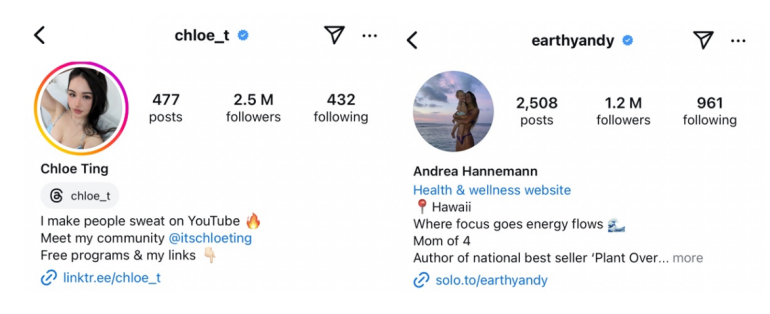
One of the most significant benefits of working with influencers is the ability to reach a very specific audience. Different influencers cater to various niches, making it easier for brands to connect with their target demographic. Whether you’re promoting fitness gear through influencers like Chloe Ting (4M followers) or organic skincare products via vegan influencer Earthy Andy (1.3M followers), you’re tapping into a pre-existing community with a shared interest in your products. This kind of targeted exposure leads to higher engagement and more meaningful customer connections.
Authenticity and Credibility
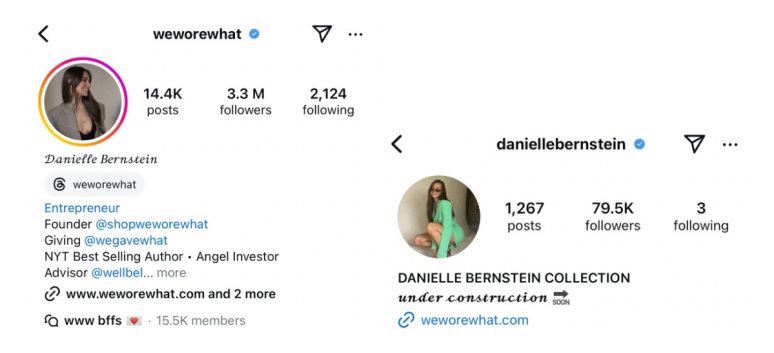
Consumers today value authenticity, and influencers excel at making products feel genuine. When they share personal experiences or daily routines featuring your product, it doesn’t feel like an ad — it feels like a friend’s recommendation. For example, when fashion influencer Danielle Bernstein of @weworewhat (2.9M followers) shares her styling tips featuring new fashion pieces, her followers often take action because they trust her taste. The authenticity of influencer content makes it easier for customers to relate to the product and trust its value.
Boosting Engagement Rates
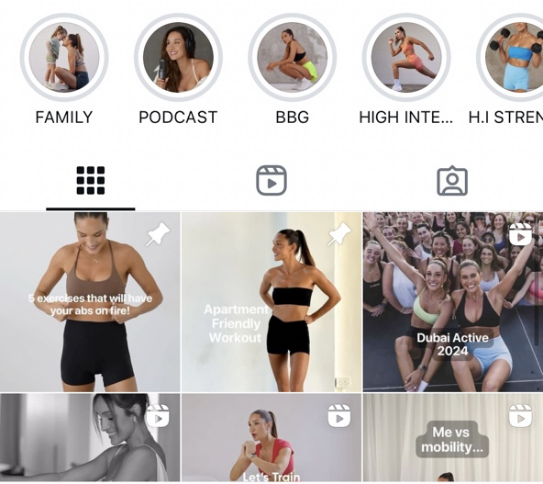
Influencers drive interaction. Whether it’s through comments, likes, or story polls, influencers have a unique ability to spark conversations around your brand. Take fitness influencer Kayla Itsines (16M followers), for example. When she promotes a workout challenge, she engages her audience through interactive Q&As, encouraging followers to share their progress. This engagement not only increases visibility for the brand but also builds a sense of community, drawing people back to the brand’s social pages.
Success Stories of High-Impact Collaborations
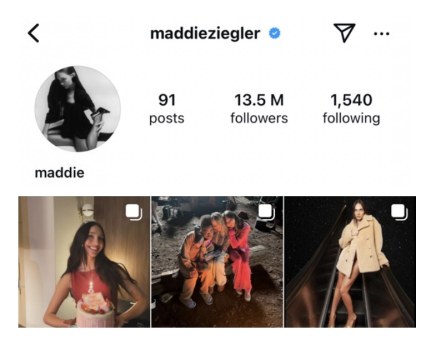
Several brands have seen massive success by leveraging influencer partnerships. A prime example is Fabletics, which works with influencers like Maddie Ziegler (13M followers). Through their collaboration, Fabletics is able to position itself as a go-to brand for athleisure, reaching millions of fitness and fashion enthusiasts. Another notable example is the beauty brand Glossier, which built much of its early momentum through micro-influencers and their loyal followers.
How to Choose the Right Instagram Influencer?
Clarify Your Objectives
Before diving into collaborations, it’s essential to determine your goals. Are you looking to drive more traffic to your website, generate sales, or increase brand awareness? For instance, if your goal is to boost brand recognition, a partnership with macro-influencers like Chiara Ferragni (29M followers) may be more effective. But if you aim for a higher engagement rate or product feedback, working with micro-influencers, such as those with 10K–50K followers, could yield better results.
Audience Analysis
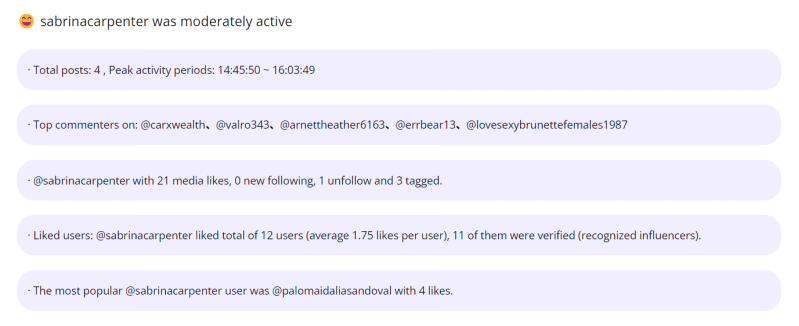
Not all influencers are created equal. It’s crucial to analyze the influencer’s audience and make sure it aligns with your target market. Tools like Instagram Stalk (available via Dolphin Radar) allow you to anonymously evaluate an influencer’s followers, analyzing demographic information like age, gender, and location.
Matching Content Style to Brand Identity
The influencer’s content should feel natural for your brand. For example, if you’re promoting a luxury skincare line, working with a fashion and beauty influencer who has an elegant, polished aesthetic would work better than partnering with someone who focuses on casual or comedic content. Brands like Louis Vuitton have mastered this, working with influencers like Aimee Song (7.7M followers) whose style aligns perfectly with their high-end brand image.

Evaluating Authenticity and Influence
With influencer marketing, follower count isn’t everything. You need to ensure the influencer has real influence. This is where tools like Dolphin Radar, which functions as an Instagram stalker, can come in handy. These tools allow you to anonymously track follower engagement rates, identify any fake followers, and analyze overall content quality. By using Dolphin Radar, you can gain valuable insights into an influencer’s audience activity and interaction levels, ensuring you’re partnering with someone who has genuine, active followers.

Researching Past Collaborations
Lastly, research the influencer’s past collaborations with brands similar to yours. What was their engagement like? Did they drive conversions? Take note of how the influencer’s audience responded to their posts.
How to Achieve Effective Marketing with Influencers?
Selecting the Right Collaboration Format
There are numerous ways to work with influencers, from sponsored content to giveaways or product reviews. For instance, a beauty brand may opt for a sponsored post where the influencer uses and reviews their product in a tutorial. Another option could be an exclusive discount code that the influencer shares with their followers, incentivizing purchases.
Setting Clear Expectations and Requirements
To ensure a smooth collaboration, it’s essential to set clear guidelines with the influencer. Be transparent about your expectations regarding post frequency, content style, and brand messaging. But at the same time, allow the influencer some creative freedom — this ensures that their promotion of your brand feels authentic to their followers.
Content Creation and Brand Alignment
It’s important to balance creativity with consistency. While influencers know their audience best and should have creative freedom, there must still be alignment with your brand’s voice. For example, if you’re a tech brand collaborating with a lifestyle influencer, ensure that the content integrates smoothly with the influencer’s daily routine while maintaining your brand’s professionalism. This might look like an influencer using your gadget in their daily workflow, presented in a natural, conversational manner.
Building Long-Term Relationships
Rather than one-off partnerships, consider building long-term relationships with influencers. When influencers become regular promoters of your brand, it creates a deeper, more authentic connection with their audience. Brands like Daniel Wellington have mastered this by developing ambassador programs where influencers frequently showcase their watches. The audience comes to associate the influencer with the brand over time, making their recommendations even more trustworthy.
Measuring and Optimizing Influencer Collaboration Results
Measuring Success with KPIs
Once your campaign is live, track key metrics to assess its performance. KPIs such as engagement rates, reach, conversions, and website traffic should all be measured. Tools like Instagram Insights or third-party platforms like Dolphin Radar can provide in-depth data. For example, if you’re launching a product line and working with a beauty influencer, track how many followers visit your product page via the influencer’s posts or story links.
Adjusting Strategy for Future Collaborations
Based on the results, you might need to tweak your approach for future campaigns. If you notice that a particular type of content, such as behind-the-scenes posts or unboxing videos, generates more engagement, double down on that strategy in your next partnership. For instance, after seeing success with Instagram Reels, a fashion brand may pivot to creating more short-form video content in collaboration with influencers.
Leveraging UGC and Secondary Content
Another advantage of influencer marketing is the user-generated content (UGC) created during the campaign. This content can be repurposed for your own brand’s social channels, email marketing campaigns, or even on your website. For instance, when influencers share photos wearing your products, re-sharing that content on your own Instagram feed not only extends the life of the collaboration but also builds social proof.
The Future of Instagram Influencer Collaborations
The Rise of Short Videos and Reels
With Instagram heavily promoting short-form videos, Reels has become a go-to content format for influencers. Reels offer brands the opportunity to capture attention quickly, with influencers creating fun, engaging content that highlights your products in unique ways. Brands like Sephora have leveraged Reels by partnering with influencers who create makeup tutorials, delivering quick, consumable content that resonates with audiences.
Micro-Influencers on the Rise
While mega-influencers command huge followings, brands are increasingly turning to micro-influencers for their higher engagement rates. These influencers, with their more niche audiences, often foster stronger, more personal connections with their followers. For instance, partnering with a food micro-influencer who has a dedicated audience of 20K foodies might yield better engagement than a broader lifestyle influencer with 1M followers.
Cross-Platform Strategies
Influencer marketing isn’t confined to Instagram. Many influencers are active on platforms like TikTok, YouTube, and even podcasts. Developing a cross-platform influencer strategy allows brands to reach even wider audiences. A great example is lifestyle influencer Casey Neistat, who is known for his YouTube content but also promotes products on Instagram and Twitter. By spreading the message across platforms, brands can create a holistic marketing campaign that touches different audience segments.
Conclusion
Instagram influencer collaborations are no longer just a trend — they are a key part of any brand’s digital marketing strategy. By selecting the right influencers, setting clear expectations, and fostering long-term partnerships, your brand can enjoy increased exposure, engagement, and credibility. Whether you’re working with a mega-influencer or a micro-influencer, the potential to reach and connect with a dedicated audience is unparalleled. And as Instagram continues to evolve with features like Reels, the opportunities for creative, impactful collaborations will only grow. So start building those relationships now, and watch your brand’s influence soar.
Read More
