



Instagram Influencers vs. Brand Ambassadors: Which is More Effective?

Table of Content
Instagram has become one of the most powerful tools for brands to connect with their audiences, boasting over 1.6 billion active users worldwide. But for businesses looking to maximize their marketing efforts, a key question arises: should they partner with Instagram influencers to drive quick engagement or invest in brand ambassadors to build long-term relationships?
Data from Influencer Marketing Hub reveals that 93% of marketers utilize influencer marketing, with Instagram being the platform of choice. However, 45% of those marketers report difficulties in measuring ROI. This blog explores the strengths and weaknesses of influencers and brand ambassadors, provides actionable insights, and highlights tools like Dolphin Radar to help brands make informed decisions.
The Strengths and Weaknesses of Influencer Marketing
Why Influencers Work
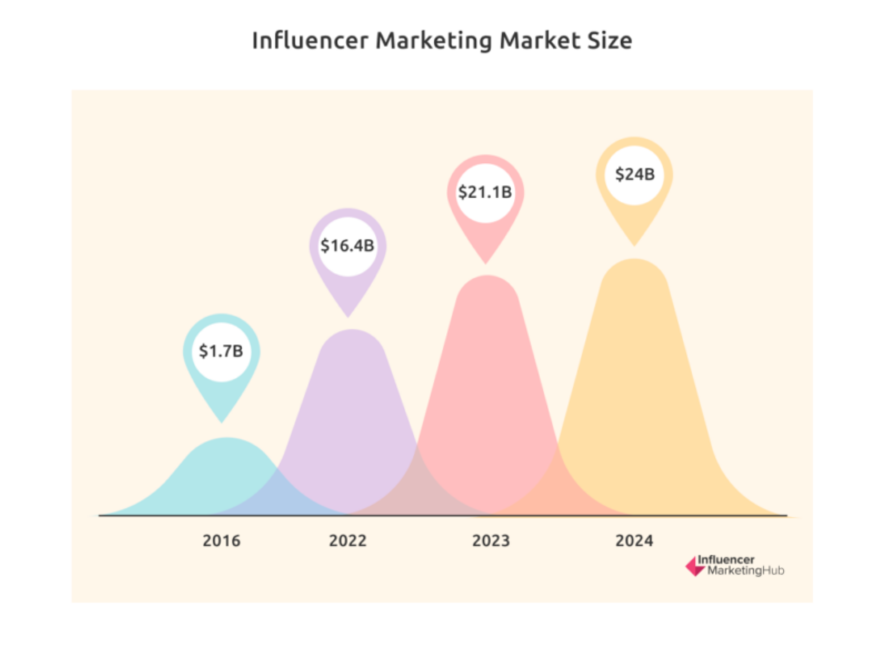
Source: Influencer Marketing Hub
- Rapid Visibility Boost
Influencers with high Instagram followers are like digital megaphones, quickly amplifying brand visibility to their loyal audiences. According to Influencer Marketing Hub, influencer collaborations can increase engagement rates by 28% compared to brand-only posts, making them an essential tool for campaigns that prioritize reach and awareness.
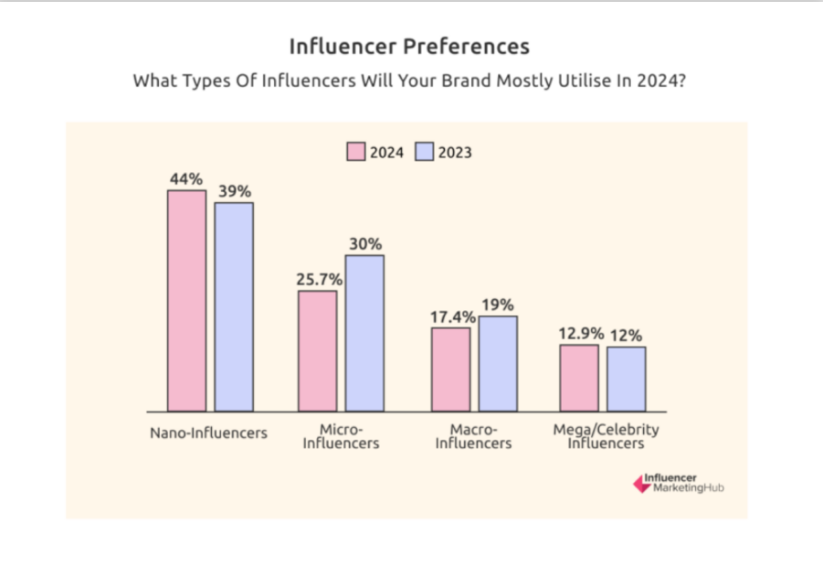
Source: Influencer Marketing Hub
For example, an influencer with a million followers can expose a brand to thousands — if not millions — of potential customers in a single post. This is particularly effective for new product launches or seasonal campaigns where speed matters. Furthermore, Instagram’s algorithm often prioritizes influencer content in the Explore page, giving brands an additional boost in visibility.
- Targeted Niches
Influencers excel in reaching specific, highly-engaged audiences. Whether it’s a fitness guru sharing their favorite protein powder or a tech reviewer unboxing the latest gadget, influencers align with niche markets, making their endorsements feel more relevant and personalized.
Research by GWI shows that 68% of consumers follow influencers who specialize in topics they care about. For brands, this targeted approach minimizes wasted ad spend, ensuring that promotional content lands in front of the right audience. Additionally, influencers often have insights into their followers’ preferences, helping brands fine-tune their messaging.
- Ease of Conversions
Influencers make shopping easy and seamless, which translates to higher conversion rates. Instagram’s features — like story swipe-ups, product tagging, and in-app checkouts — empower influencers to turn engagement into action. A Nielsen study reported that 41% of Instagram users have purchased a product immediately after seeing it promoted by an influencer.
For example, when influencers use Instagram stories to demonstrate a product in real-time, it creates a sense of urgency and immediacy. With a simple swipe-up, followers are taken directly to the product page, eliminating friction in the buyer’s journey. This convenience, coupled with influencers’ persuasive power, drives impulsive yet effective purchase behavior.
The Challenges of Influencers
- Short-Term Focus
While influencers excel at generating buzz, their collaborations are often short-lived. Most influencer partnerships revolve around one-off campaigns, limiting their impact on long-term brand loyalty. For instance, a beauty influencer might promote multiple skincare brands within a short time frame, diluting the effectiveness of any single endorsement.
Moreover, short-term collaborations can create inconsistencies in branding, especially when influencers work with competitors. This lack of exclusivity may confuse followers and diminish the authenticity of their recommendations.
- Authenticity Issues
Authenticity is a double-edged sword for influencer marketing. While influencers are valued for their relatable content, overly commercial endorsements can alienate their audiences. According to a study in the Journal of Consumer Psychology, 62% of consumers trust influencers less when their endorsements appear insincere or overly transactional.
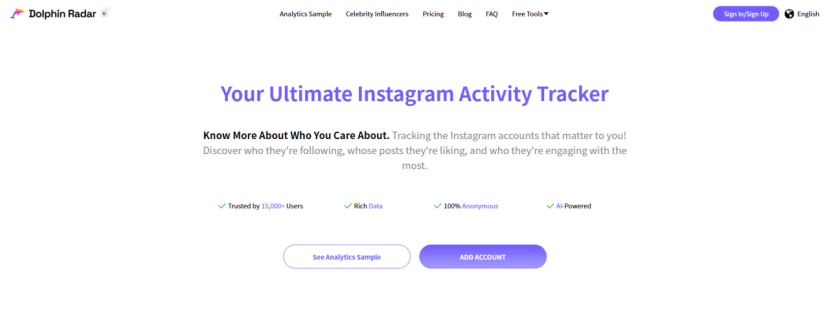
Fake engagement is another growing issue. Some influencers artificially inflate their Instagram likes or followers using bots or Instagram stalker apps, leading brands to invest in partnerships that fail to deliver genuine engagement. Tools like audience authenticity checkers or platforms such as Dolphin Radar can help brands mitigate this risk by analyzing influencers’ real impact and follower credibility.
Additionally, brands must carefully vet influencers to ensure their values align. A single misstep, such as promoting a product incongruent with their image, can lead to public backlash, damaging both the influencer’s reputation and the brand’s image.
What Brand Ambassadors Bring to the Table
Strengths of Ambassadors
- Long-Term Relationship Building
Brand ambassadors are not just short-term collaborators — they become an extension of the company itself. By working with brands over an extended period, ambassadors provide consistent messaging that strengthens trust and loyalty among consumers. This long-term association makes their endorsements feel more reliable compared to one-off influencer campaigns.
For instance, a fashion brand ambassador might regularly feature the brand’s products across multiple seasons, showcasing versatility and staying power. This consistency builds a narrative around the brand that resonates with followers, driving not only purchases but also emotional connection.
- Authenticity and Credibility
One of the greatest assets of brand ambassadors is their authenticity. Unlike influencers who may promote a product without genuine use, ambassadors often have a personal connection to the brand. Their endorsements stem from actual experience, making their promotions feel natural and trustworthy. For example, an ambassador who shares personal anecdotes about a product’s benefits is far more likely to persuade their audience than an influencer’s one-time sponsored post. This trust translates into higher conversion rates and longer-lasting customer relationships, especially in industries like wellness or technology, where credibility is paramount.
- Better Retention Rates
Brand ambassadors focus on cultivating loyalty rather than driving immediate visibility. Their continuous presence creates a sense of stability and reassurance for consumers. Ambassadors often interact directly with their audience, answering questions or offering advice about the brand. This personal engagement fosters a deeper connection, turning one-time buyers into loyal customers. Over time, this approach helps brands build a robust customer base with higher lifetime value.
Challenges with Ambassadors
- Limited Immediate Reach
Brand ambassadors typically have fewer Instagram followers than high-profile influencers. While their content resonates deeply with their audience, the smaller scale means they are less effective for campaigns that require instant visibility or viral reach.
For example, if a brand ambassador has 20,000 followers, they might generate higher engagement per post than an influencer with 200,000 followers. However, their overall reach will still be limited, which can be a disadvantage for time-sensitive campaigns like product launches or holiday promotions.
- Slower Growth
Building brand credibility and fostering loyalty through ambassadors is a long game. It requires sustained effort and patience, as the returns on ambassador campaigns often take months or years to materialize.
This makes ambassadors less suitable for brands aiming for quick-turnaround goals, such as clearing inventory or boosting seasonal sales. For instance, a tech startup launching a new gadget might prefer influencer collaborations to generate buzz, while ambassadors would be more effective for establishing credibility over time.
How to Choose Between Influencers and Ambassadors
Align with Your Brand Goals
· Short-Term Objectives: If your goal is to gain Instagram likes, increase Instagram followers, or drive immediate sales, influencers are the better choice.
· Long-Term Growth: If you’re aiming for lasting brand loyalty, ambassadors provide more consistent results.
Match with Your Industry
· Fashion and Beauty: Influencers often dominate these industries with visual content and real-time audience engagement.
· Education and Technology: Ambassadors excel here by delivering detailed and credible content, aligning with the long-term nature of these industries.
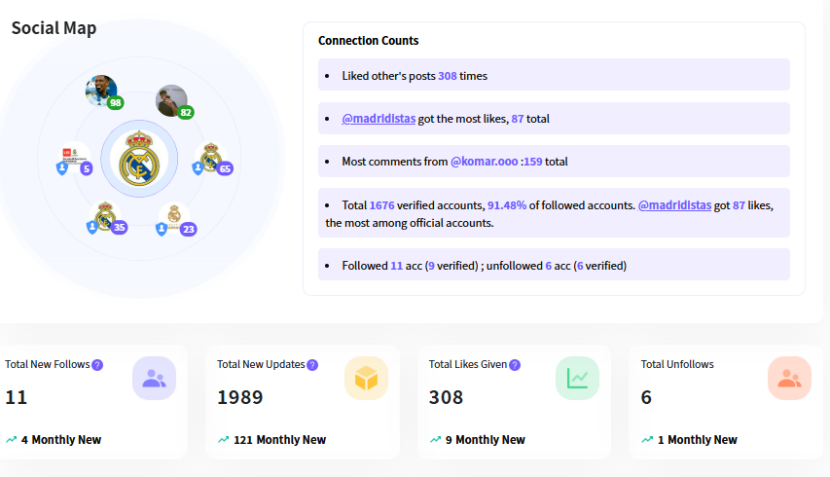
Leverage Data Analysis Tools
Platforms like Dolphin Radar help brands analyze influencer activity history and brand mentions, allowing you to evaluate the true impact of potential partners. By using such tools, brands can reduce marketing inefficiencies and make data-driven decisions.
Academic Support: Theories Behind Influence and Loyalty
Social Impact Theory
Developed by Latané (1981), Social Impact Theory outlines how influence is shaped by three critical factors: strength, immediacy, and number of influencers. In the context of Instagram, influencers with a large following have the strength of reach and immediacy, meaning their posts can create instant excitement and drive rapid engagement. For instance, when an influencer promotes a new product in an Instagram story with a swipe-up link, the combination of immediacy (real-time content) and strength (their follower base) can lead to significant spikes in website traffic and sales within minutes.
The theory also suggests that influence diminishes when the “number” becomes diluted — for example, when too many influencers promote the same product, the exclusivity and impact may decrease. Brands must strategically select influencers to maintain a balance between visibility and authenticity.
Authenticity Theory and Brand Ambassadors
While influencers excel in immediacy, brand ambassadors align more closely with Authenticity Theory, which highlights trust, credibility, and long-term consistency as key drivers of consumer loyalty. This theory suggests that consumers respond more positively to recommendations that feel genuine and ongoing.
A study published in the Journal of Marketing Research found that trust plays a pivotal role in developing brand loyalty. Ambassadors, often using and advocating for a product over time, establish this trust naturally. For instance, a fitness brand ambassador who shares regular updates on their fitness journey using specific products creates a continuous narrative that followers find relatable and believable.
Integrating Both Theories
Combining insights from both Social Impact Theory and Authenticity Theory, we can understand why influencers and ambassadors serve different yet complementary roles in marketing. Influencers are ideal for generating short-term bursts of engagement, leveraging immediacy and audience strength to create momentum. On the other hand, ambassadors excel at building lasting relationships with consumers, reinforcing brand values and fostering loyalty over time.
Practical Application for Brands
Brands can strategically apply these theories by using influencers to spark initial interest and ambassadors to nurture long-term engagement. For example:
· Social Impact in Action: A new fashion label launches its collection with influencers, generating Instagram likes and website clicks.
· Authenticity in Action: Over the next six months, the brand relies on ambassadors to share personal experiences with the products, driving sustainable loyalty.
By understanding and leveraging these psychological principles, brands can craft a balanced and effective Instagram marketing strategy, ensuring both immediate visibility and enduring consumer trust.
Both Instagram influencers and brand ambassadors play pivotal roles in modern marketing strategies, but their effectiveness depends on your brand’s goals. Influencers excel at generating rapid visibility, boosting Instagram likes, and converting Instagram followers into customers with immediacy and impact. On the other hand, brand ambassadors focus on fostering trust, credibility, and long-term loyalty, making them ideal for sustained growth.
By leveraging tools like Dolphin Radar to analyze influencer activities and make data-driven decisions, brands can ensure they choose the right partner for their campaigns. Moreover, integrating insights from Social Impact Theory and Authenticity Theory highlights the complementary nature of influencers and ambassadors, offering a holistic approach to Instagram marketing.
Ultimately, the best strategy combines the strengths of both — using influencers to spark interest and ambassadors to solidify relationships. By balancing these elements, brands can create a dynamic marketing strategy that drives immediate results while building a loyal customer base over time.
Read More
