



Why Is He Suddenly Working Late? 5 Signs of Cheating You Can't Ignore!

Table of Content
Have you noticed your partner working late more often, clinging to his phone, or acting strangely distant? Subtle changes in routine, mood, and behavior can sometimes signal bigger issues in a relationship. While it’s important not to jump to conclusions, understanding the signs of potential infidelity can help you uncover the truth or find peace of mind.
This guide explores five undeniable signs of cheating and provides tools to help you evaluate the situation rationally and objectively.
Why Do We Doubt Our Partner’s Loyalty?
Doubt in a relationship often arises when there’s a noticeable shift in behavior or habits. To understand this, we can look at Behavioral Consistency Theory. This theory, widely studied in psychology, posits that people tend to act in ways that align with their established attitudes and beliefs. When someone suddenly behaves inconsistently — such as working late without a clear reason or becoming secretive — it can reflect internal conflicts or external influences.
Research in the field, including studies on attitude-behavior relationships, highlights that changes in behavior often emerge due to external pressures or shifts in priorities. For example, Fazio and colleagues’ work on attitude-behavior consistency suggests that individuals are motivated to reduce cognitive dissonance when their actions contradict their usual patterns.
In a relationship context, this inconsistency could manifest as unexplained time away, secrecy, or emotional detachment, prompting questions about the underlying cause. By observing such changes in behavior, you can begin to piece together whether they indicate workplace stress, personal struggles, or something more concerning, like infidelity.
Five Signs of Cheating You Can’t Ignore
1. Flexible Work Hours That Don’t Add Up
Suddenly working late or claiming an unpredictable schedule can raise red flags, especially if these changes lack clear justification. Observe whether these “urgent meetings” or “overtime” sessions align with his usual work environment and responsibilities.
2. Unusual Phone Obsession
One of the most telling signs of secrecy is an overly protective attitude toward a phone. Placing the screen face down, in particular, is a subtle yet significant behavior. Studies in psychology suggest that this action often reflects an unconscious desire to shield information from others. According to research on nonverbal communication and privacy management, people tend to place objects in ways that reduce visibility when they feel the need to protect personal information or avoid questions.
Behavioral experts argue that placing a phone screen down frequently, especially in situations where it wasn’t previously a habit, can signal heightened secrecy or guilt. Combined with other protective behaviors, such as using new passwords or avoiding notifications in front of others, it may indicate something is being hidden.
Moreover, studies on digital privacy concerns show that individuals engaged in covert behavior often develop unconscious habits to protect their devices, such as turning off notification previews, keeping phones locked even in private settings, or retreating to isolated spaces when using their phones. If you notice these behaviors in conjunction with frequent social media activity — like constantly viewing certain Instagram stories or interacting with specific accounts — there might be a deeper issue. Tools like Instagram story viewer apps or Instagram tracking tools can help you gain insights into public patterns of interaction without breaching privacy, offering clarity on what might be causing these changes.
3. Extreme Emotional Swings
A cheating partner might display sudden mood swings, alternating between overly affectionate behavior and unexplained irritability. These emotional shifts can result from guilt or the mental stress of managing multiple emotional connections.
4. Suspicious Financial Activity
Monitoring shared financial accounts can reveal unusual expenses that don’t match your typical spending habits. Look for charges related to restaurants, gifts, or travel that don’t seem relevant to your shared plans.
5. Increased Social Events or Private Outings
Frequent attendance at “work events” or vague descriptions of “networking meetups” may mask personal outings. Pay attention to whether these activities align with his usual professional obligations or appear out of character.
How to Gather Evidence Without Confrontation
If your instincts tell you something is off, there are ways to approach the situation without jumping to conclusions or creating unnecessary conflict.
Use Technology to Gain Insight
Tools like Dolphin Radar can help track Instagram activities, allowing you to monitor interactions such as likes, saved posts, and comments. A particularly useful feature is its ability to analyze past story interactions. By reviewing past Instagram stories, you can identify when certain patterns or changes began. For instance, you might notice increased engagement with specific accounts or repeated story views, which could indicate growing attention toward a particular person or topic.

Additionally, using an Instagram story history tracker or Instagram stalker app can provide a timeline of public engagement, shedding light on patterns that may raise or ease your concerns.
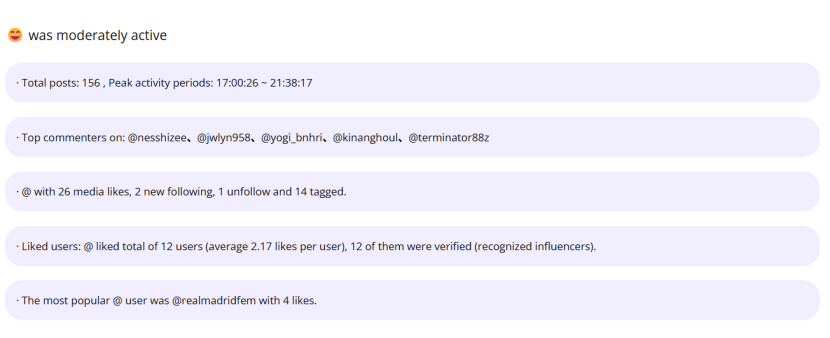
These tools don’t invade privacy but allow you to observe publicly available information to help you better understand his online behavior.
What to Do When Doubts Arise
Suspicions don’t have to signal the end of your relationship. Instead, use them as an opportunity to reflect and address potential issues constructively.
1. Prioritize Open Communication
A calm and honest conversation can often clarify misunderstandings. Share your concerns without accusations and invite him to explain the behavior you’ve noticed.
2. Seek Professional Guidance
If doubts persist and communication doesn’t resolve your concerns, consider couples counseling or seeking advice from a trusted third party. Professionals can help mediate difficult conversations and provide actionable advice.
3. Evaluate Your Next Steps
Ultimately, trust is the foundation of any relationship. If it has been broken, decide whether it’s worth rebuilding together or if it’s time to part ways.
Conclusion
Behavioral changes can act as warning signals in relationships, but they don’t always mean infidelity. By staying observant, using tools to gather data, and maintaining open communication, you can approach these situations with clarity and confidence.
Trust your instincts, but balance them with rational observations. Whether your suspicions prove valid or unfounded, addressing them with honesty and care will lead to a stronger understanding of your partner — and yourself.
Read More
