



Should I Let My Kid Get Instagram? A Parent's Guide
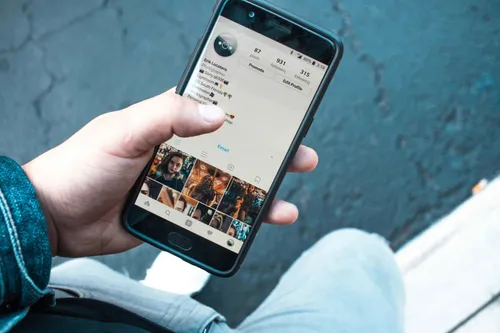
As parents, we naturally worry about our children's use of electronic devices and social media platforms like Instagram. The digital age brings many advantages, but it also introduces risks, especially for young users who might lack the self-control to avoid excessive screen time or the maturity to navigate online interactions safely. The question of whether to allow kids on Instagram is a common concern. How can parents ensure their children use Instagram responsibly without falling into the pitfalls of overuse or exposure to harmful content?
Understanding Instagram
Instagram is a popular social media platform where users can share photos, videos, and stories. It allows for creative expression and social connection, which can be beneficial for children in many ways. Kids can use Instagram to keep in touch with friends, explore their interests, and even learn about new topics. However, Instagram also has its downsides. The platform can expose young users to inappropriate content, privacy issues, and cyberbullying, making it essential for parents to weigh the benefits against the risks.
Balancing the Benefits and Risks
Positive Aspects of Instagram for Kids
Instagram can be a platform for creativity and expression. Kids can showcase their talents, whether in art, photography, or writing, and receive feedback from their peers. This can boost their confidence and encourage further development of their skills. Additionally, Instagram helps children stay connected with friends, especially in times when face-to-face interactions might be limited, such as during vacations or remote learning periods.
Risks Associated with Instagram Use
However, the risks associated with Instagram cannot be ignored. Exposure to inappropriate content is a significant concern, as children might stumble upon posts that are not suitable for their age. Privacy issues also come into play, with the potential for personal information to be shared unwittingly. Moreover, cyberbullying remains a persistent threat, as negative interactions on social media can affect a child's mental health and self-esteem. Parents need to be aware of these dangers and take proactive steps to protect their children.
Setting Boundaries and Guidelines
To ensure a safe and positive experience on Instagram, parents should establish clear boundaries and guidelines. This includes setting limits on screen time, defining acceptable content, and discussing the importance of privacy settings. Open communication is key; parents should regularly talk to their children about their online experiences and any issues they encounter.
But in reality, children often don't want to follow their parents' advice. If parents haven't communicated well or set limits on their kids' Instagram use from the start, there's a good chance that kids will become addicted to the online world. At this point, if parents try to impose restrictions, it could lead to conflicts and arguments. Children might also find more secretive ways to use electronic devices. So, what can parents do to minimize these risks?
The Role of Parental Monitoring Tools Like DolphinRadar
Parental monitoring tools such as DolphinRadar can be incredibly useful in managing a child's Instagram use. Here are some benefits of using DolphinRadar:
- Monitoring activity and interactions: DolphinRadar allows parents to keep track of their child's activity on Instagram, including the accounts they follow and the posts they like.
- Identifying potential risks: The tool helps parents identify any inappropriate content or suspicious interactions their child may encounter.
- Encouraging healthy usage habits: By monitoring their child's Instagram use, parents can encourage balanced and healthy habits, ensuring that screen time does not interfere with other important activities.
How DolphinRadar Can Help
DolphinRadar offers several features designed to help parents monitor and manage their child's Instagram use effectively:
- Tracking Instagram activities: DolphinRadar provides detailed reports on the accounts followed, posts liked, and hashtags used by the child.
- Detailed Reports: Receive weekly reports summarizing your partner's online activities, making it easier to spot patterns or unusual behavior.
- Interest Tags: Understand the kind of content your partner engages with most frequently, offering insights into their current interests and social interactions.
- Historical Data: Access historical activity data to compare changes over time, providing a clearer picture of behavior trends.
Real-Life Examples of DolphinRadar's Effectiveness
- Scenario 1: If a child shows abnormal peak usage times in DolphinRadar, such as being active late at night, parents can easily know this behavior, enabling them to intervene and discuss the importance of maintaining a healthy balance between screen time and rest.
- Scenario 2: If a child suddenly receives a significant number of followers and likes from unknown individuals within a short period, parents can get the statistics easily to find the problem, allowing them to address the situation and ensure their child's safety.
Conclusion
Navigating the complexities of letting children use Instagram requires a balanced approach. By understanding the platform's benefits and risks, setting clear guidelines, and utilizing tools like DolphinRadar, parents can ensure their children enjoy the positive aspects of social media while staying safe. Staying informed and involved in your child's online activities is crucial in fostering a healthy digital environment. With careful monitoring and open communication, parents can help their children develop responsible online habits that will serve them well into the future.
Read More
